The Local Edge
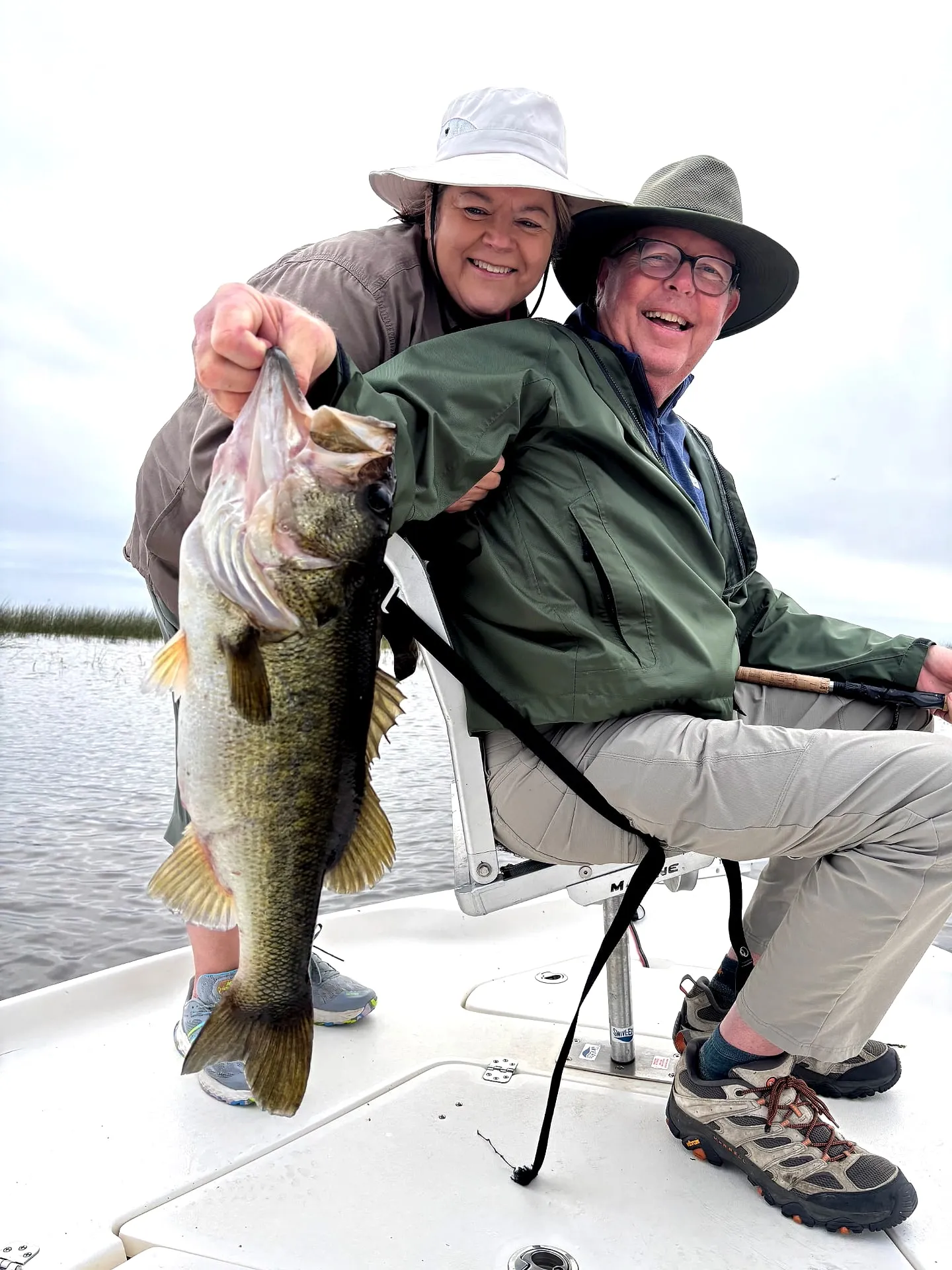
Ask a longtime Okeechobee guide for the single best way to catch a giant bass, and the answer is almost always the same: a lively wild shiner. It’s my favorite way to fish, and it’s the time-honored Okeechobee trophy-bass method for a reason. Native golden shiners are the natural forage big Florida largemouth eat every single day — it’s what they’re built to hunt. A big, frisky shiner is a full meal, and it draws strikes from heavy fish that will ignore artificial lures entirely. Shiners just flat-out work here, and they have for decades.
Why Wild, Not Store-Bought
There’s a real difference between a hand-caught wild shiner and a hatchery baitfish. Wild shiners are larger, hardier, and far more active — and that frantic, natural swimming is exactly what triggers a big bass to commit. The liveliness of the bait is a huge part of what makes the technique work, which is why quality wild shiners are worth the effort.
How It’s Done
The presentation is beautifully simple, which is a big part of its appeal. There are two main ways I fish them:
- Free-line the shiner in open pockets and holes, letting it swim naturally with no float at all — deadly around isolated cover.
- Fish it under a float along grass edges and reed lines, so you can hold the bait right in the strike zone and watch for the take.
A few things make the difference between a decent day and a great one:
- Target the irregularities in the vegetation — points, cuts, holes, and thicker clumps. Big bass set up on those ambush spots, not in the middle of a uniform grass line.
- Keep it quiet. Ease the bait onto the water; don’t slap it down. A stealthy presentation around prime cover keeps wary fish from spooking.
- Let the shiner do the hunting, working it toward and around the cover, and watch the float and the bait for signs a bass is closing in.
- When it goes down, let the fish take it, reel tight, and hang on.
The bait does the hunting. Your job is mostly to be ready when a bass decides to eat — and to hold on when it does.
Reading the Bite
Part of the fun of shiner fishing is watching it unfold. A calm, cruising shiner means nothing’s around. But when that shiner suddenly gets nervous — darting, skipping, trying to escape — a bass is stalking it. Then the float shoots under, and it’s on. That visible build-up is part of what makes shiner fishing so exciting for anglers of every level.
Who It’s Best For
Wild shiner fishing is the great equalizer.
- Beginners and kids: There’s no casting skill, no lure retrieve to master — just watch the float and set the hook. It’s the surest way to put a first-timer on a real bass.
- Trophy hunters: It’s the most reliable way to draw the single biggest bite in the lake, especially during the cool-season pre-spawn and spawn.
- Anyone who just wants to catch fish: On a tough day, shiners often keep the bites coming when nothing else will.
Pairing Shiners With the Season
Shiners work all year, but they truly shine in the cooler months when big fish are shallow and feeding for the spawn. From late fall through spring, a wild shiner drifted along a reed line or into a grass pocket is about the surest trophy technique on the lake. In the warmer months, shiners still produce and are a great way to keep beginners bent into fish, though early mornings and shade become more important as the heat builds. Matching where you set up to the season — outside edges and staging cover in the cool months, shadier and fresher water in summer — keeps the shiner bite consistent year-round.
What to Expect
A shiner trip tends to produce both better numbers and bigger average size than artificials on a typical day, which is why it’s the go-to for guided big-bass trips. It’s relaxed, it’s visual, and it’s forgiving of experience level. If your goal is the best possible chance at a memorable Okeechobee bass — or you’re bringing family who are new to fishing — wild shiners are hard to beat.