
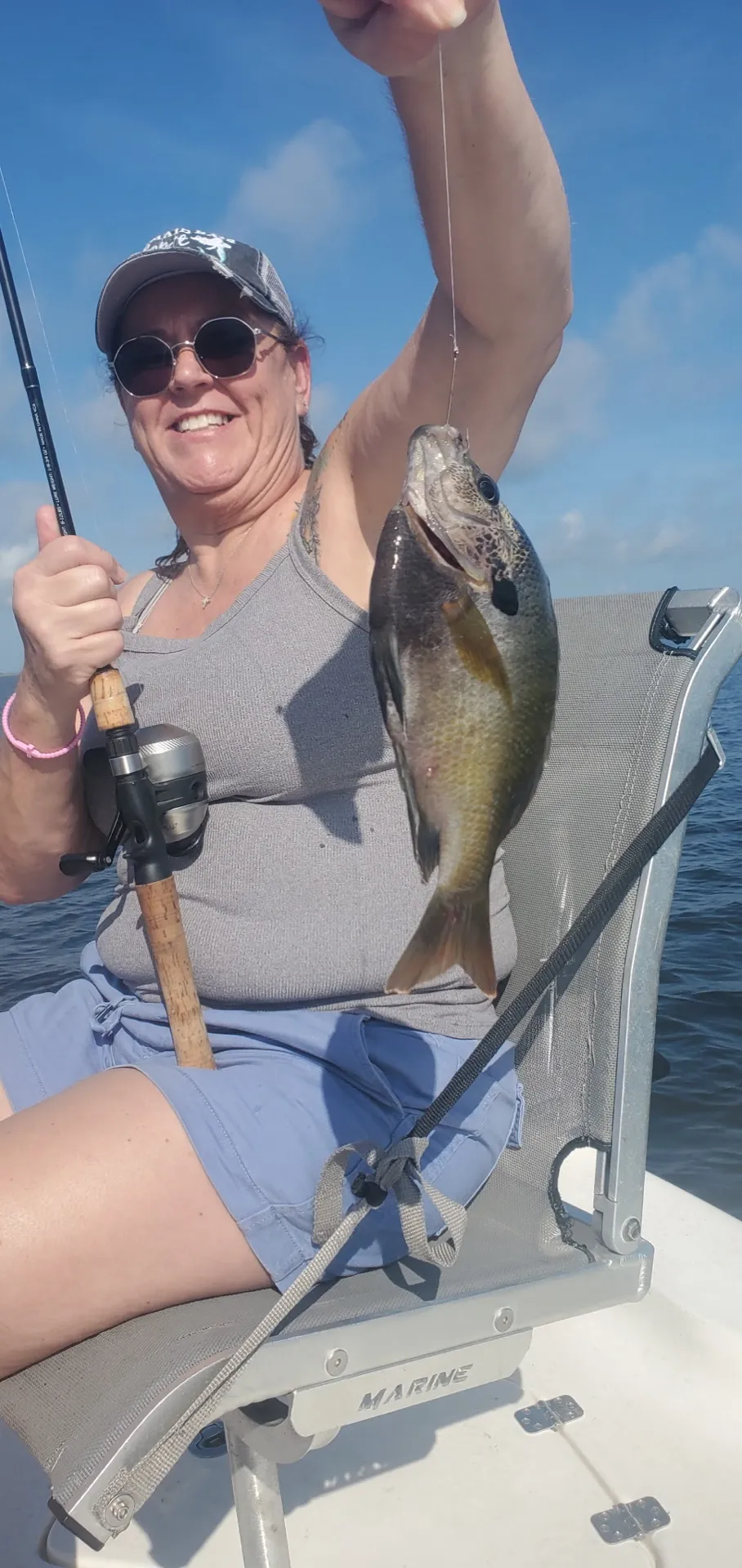
Bream — Pure Fishing Fun
If bass are the trophies and specks are the winter staple, bluegill and bream are the pure, simple joy of fishing. On Lake Okeechobee, panfish are everywhere, they’re eager, and they fight well above their weight on light tackle. A good day can mean a hundred bites and a cooler of some of the sweetest fillets around. It’s also the easiest possible first trip for a kid or a beginner.
When to Go
Bream fishing runs strong from spring through early fall, roughly April through September, peaking in the warm months when the fish are bedding.
- Spring (Apr–May): Water warms and the first big beds form.
- Summer (Jun–Aug): Peak bedding — nonstop action, especially around the full moons.
- Early fall (Sep): Still very good as long as the water stays warm.
The pattern follows the moon closely, which makes timing a trip refreshingly predictable.
Bedding on the Full Moons
Bluegill are colony spawners, and they bed hardest around the full moons through summer. When they’re on the beds, you’ll often see and even smell them — dozens of shallow, saucer-shaped nests clustered together in the sandy grass edges. Drop a bait into that colony and it’s game on, cast after cast.
Baits and Tackle
The beauty of bream fishing is its simplicity. A cane pole or a light spinning rod, a small hook, and a float is all it takes.
- Live crickets under a float — the classic bream bait, hard to beat
- Red worms and earthworms for both bluegill and shellcracker
- Beetle-spins and tiny jigs for a more active, artificial approach
- Small poppers and fly gear for anglers who want to make it sporty
Whatever you pick, keep the hooks small — bream have little mouths.
Finding the Beds
Locating bedding bream is the whole game, and it’s usually not hard once you know the signs. Colonies tend to set up on firmer, sandy bottoms along the edges of grass and cover, often in a couple feet of water. Look for clusters of clean, saucer-shaped depressions on the bottom in clear water. On calm mornings you can sometimes spot them from a distance, and bedding bream give off a distinct musky smell that longtime anglers learn to recognize. Once you find one colony, keep looking nearby — bream often bed in several groups in the same general area, so a productive stretch can keep you busy for hours.
Don’t Forget the Shellcracker
Alongside bluegill you’ll often catch shellcracker (redear sunfish), and they’re a real prize. Shellcracker run bigger than most bluegill and feed on snails and small shellfish near the bottom, so a worm fished right on the bottom is the ticket for them. A mixed bag of bluegill and big shellcracker is a fantastic day of eating.
The Perfect First Trip
There’s no better way to introduce a child — or any beginner — to fishing than a summer bream trip. The bites come fast, the tackle is simple, the fish are the perfect size for small hands, and success is nearly guaranteed when the bream are bedding. No experience needed, no long dry spells, just steady action and big smiles. Add in that bream are wonderful eating, and it’s one of the most rewarding, family-friendly trips on Lake Okeechobee.